


WHAT TO DO IN AN EMERGENCY - A PRACTICAL GUIDE TO BEING PREPARED TO EVACUATE YOUR HOME

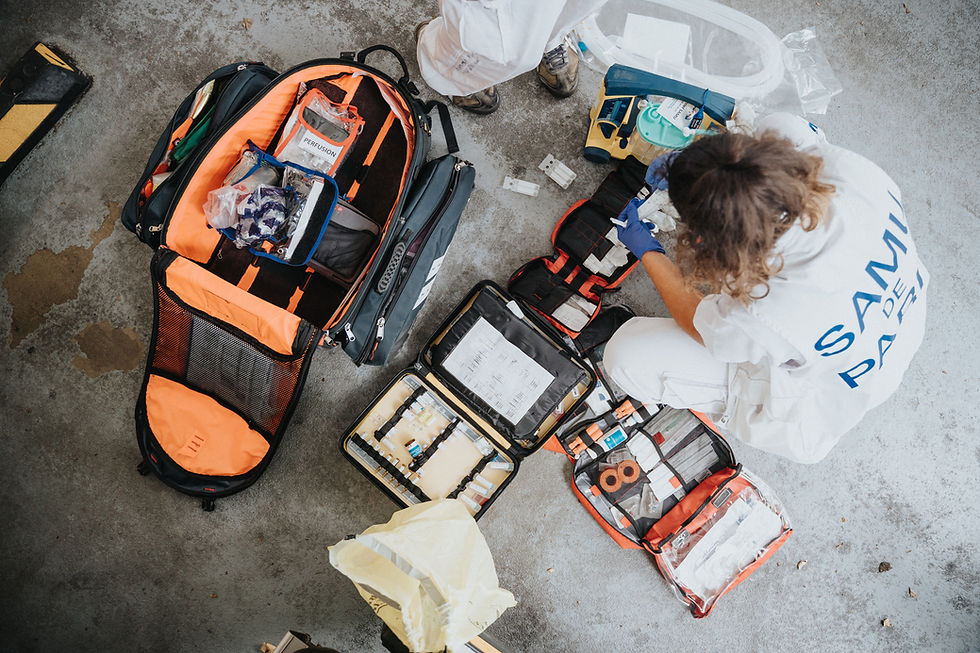
What to do if there was an emergency such as a fire, flood or need to evacuate your home
Now not for a second do I want to scaremonger or frighten anyone.
I do however want to ensure we are prepared were the need to evacuate our homes suddenly happen.
With the extreme heat this summer in the UK, there have been many fires and people having to evacuate their homes very quickly. If you watched "The End of Oak Street" - well in 30 seconds their homes got transported in time back to where dinosaurs were out to get them - obviously just a movie but you get my drift.
IMMEDIATE SAFETY STEPS TO TAKE:
The advice to do straight away is:
Check for danger: Make sure you and your family are safe from immediate harm.
Shut off utilities: Know how to turn off your gas, water, and electricity mains if there is a leak or damage.
Stay put or leave: Follow official advice to either shelter safely inside or evacuate quickly.
How to create a simple emergency family plan:
Who is in the household
Emergency contact numbers - keep these on paper and somewhere where everyone knows
Where everyone should meet - a point inside the house and also outside
How to get out of the house - more than 1 exit if possible
Know how to shut off all utilities - show all responsible where the stopcock is, electricity and gas shut off
What to do with pets - create a plan and ensure all their food, medication, lead etc are in one easy to grab place
Who might need additional help
A contact outside the household
What to keep in an emergency grab bag:
Having these items ready does not mean looting the shops for bottles of water as though we are entering an apocalypse. But having a grab bag ready in one place means were there a sudden emergency, you are not adding to any stress by trying to find a torch and batteries.
Torch and batteries (plus a head torch if possible)
Battery powered radio
Wind up/solar radio
Power banks
Whistle
Medication
First aid kit
Bottled water - to cover 2-3 days
Canned goods (or items in freezer that can be taken out to eat cold once defrosted)
Can opener
Spare charging cables
Change of clothes
Warm layers
Blankets
Pet essentials
Click below to get all your essentials in one easy place on Amazon.
So that is the items that the Government recommend - https://prepare.campaign.gov.uk/get-prepared-for-emergencies/
I would add to this as we all know a big discussion people have is "what would you grab from your home if it caught on fire".
How to protect your most important items:
Keep the following items in a Fireproof document box that is easily located:
Passports
Birth certificates
Insurance documents
Photographs
Family keepsakes
Children's artwork
Irreplaceable sentimental items
Keep photographs and important documents backed up to the cloud for safety.
What to do with household paperwork in an emergency:
Imagine the horror of your home being burnt or flooded. You would need to know who your insurance was with, all the paperwork could have been lost and take an age to try to track down on the phone or a borrowed laptop.
Having all your household information written down in one safe place makes that challenge easier to deal with.
The Just in Case Legacy Planner was designed to make it easier for your loved ones to know what your wishes are, where your documents are etc.
Having this document completed and saved either digitally or in your fireproof document box resolves that issue were the worst to happen to your home.
For £27 that worry can be eliminated.
Your 15 minute emergency prepardeness check:
Set a timer for 15 minutes and see how many of these you can do:
Find your torch
Locate your stopcock
Locate your electricity shut-off
Check your gas shut-off
Save emergency contacts
Check your insurance details
Decide where your emergency bag will live
Tell everyone in the household what the escape plan is
Check what items are backed up
Now, take your time to fix any gaps that you couldn't do in 15 minutes.
That could be ordering a bag and filling it.
Completing the Just in Case Legacy Planner
Adding some extra supplies to your next food shop to keep in your grab bag area
Coming up with a family plan
None of this has been written to scare you - but it is so important to be ready for these eventualities.
Being prepared isn't about expecting something terrible to happen. It's about making life a little easier if something unexpected does.
*Disclosure: Some of the links in this post are affiliate links, which means I may earn a small commission if you make a purchase through them, at no extra cost to you. As an Amazon Associate I earn from qualifying purchases.
Thanks for reading, I'm Jo, a Professional Organiser for 20 years and your new partner in creating an organised home.
Based in Petersfield, Hampshire but covering Surrey, West Sussex and London (upon individual request basis).
I help busy professionals, families and home movers, organise and declutter their homes, paperwork and photographs.



Comments